

Tournament competition creates unique nutritional challenges that separate successful athletes from those who fade as the competition progresses. Unlike single-game scenarios, tournaments demand sustained performance across multiple days with congested schedules, quick turnarounds, and limited food options.
The difference between peak performance in game one versus game six isn't just about talent—it's about strategic fueling that supports both immediate energy needs and multi-day recovery. Most athletes approach tournament nutrition reactively, making food decisions based on convenience rather than performance optimization.
This approach fails because tournament demands are fundamentally different from regular training or single competitions. Your nutrition strategy must account for cumulative fatigue, rapid energy depletion and replenishment cycles, and the reality that you're asking your body to perform at high levels repeatedly with minimal recovery time.
The Foundation: Pre-Tournament Preparation
Effective tournament fueling begins 24 hours before your first competition. This preparation phase sets the foundation for sustained performance and determines whether you'll start each day in an optimal fueled state or constantly playing nutritional catch-up.
The night before competition, focus on maximizing glycogen stores—your body's readily available energy currency. This means emphasizing carbohydrate intake while maintaining adequate protein and staying well-hydrated. Your dinner should include quality carbohydrate sources like rice, pasta, or potatoes, paired with lean protein and easily digestible vegetables.

Hydration during this preparation phase is equally critical. Many athletes underestimate how much fluid they lose during sleep and wake up already behind their hydration needs. Proper pre-tournament hydration means monitoring your urine color and ensuring you're consuming adequate fluids throughout the day before competition.
Strategic Breakfast: Setting the Daily Tone
Tournament morning nutrition varies significantly based on your competition schedule. For afternoon or evening starts, you have the luxury of a complete pre-competition meal approximately three to four hours before game time. This timing allows optimal digestion while ensuring energy availability when you need it most.
When early morning competitions don't allow for this timing, your approach must adapt. Rather than skipping breakfast entirely—a critical mistake many athletes make—focus on easily digestible options that provide immediate energy without causing digestive discomfort.
Liquid nutrition becomes invaluable in these scenarios. Smoothies containing carbohydrates, protein, and fruit can deliver essential nutrients while clearing the digestive system more rapidly than solid foods. The key is ensuring you consume something rather than relying solely on caffeine or attempting to compete in a fasted state.
A strategic breakfast includes three core components: carbohydrates for immediate and sustained energy, protein for satiety and muscle support, and fruit or easily digestible vegetables for micronutrients. Examples include oatmeal with banana and eggs, breakfast burritos with minimal fiber-rich vegetables, or Greek yogurt with granola and honey.
Between-Game Fueling: The Performance Differentiator
The periods between tournament games present both opportunity and risk. You must simultaneously refuel from the previous competition while preparing for the next, all within a compressed timeframe that may not accommodate full meals or complete recovery.

This double demand requires precision in food selection. As game spacing decreases, your focus should shift toward easily digestible carbohydrates and away from high-fiber or high-fat foods that slow gastric emptying. Simple carbohydrates like bananas, granola bars, pretzels, or sports drinks provide rapid energy replenishment without overwhelming your digestive system.
The timing of between-game nutrition is equally important as the food selection. Begin refueling immediately after each competition rather than waiting until you feel hungry. Your body's stress response during and after competition naturally suppresses appetite, but this doesn't reflect your actual energy needs.
For quick turnarounds of 30-60 minutes, liquid calories become essential. Sports drinks, smoothies, or even diluted fruit juices can provide necessary carbohydrates while supporting hydration needs. When you have longer intervals between games, you can incorporate more substantial options like sandwiches or wraps, but maintain the emphasis on carbohydrate-rich, easily digestible choices.
Hydration Strategy: Beyond Basic Water Intake
Tournament hydration extends far beyond drinking water when thirsty. The combination of repeated physical exertion, potential heat exposure, and stress can significantly increase fluid needs beyond what your thirst alone may imply.
Establish a proactive hydration protocol rather than reactive drinking. A baseline of 500ml to 1 liter per hour provides a starting point, though individual needs vary based on sweat rate, environmental conditions, and competition intensity. Monitor your hydration status through urine color and body weight changes when possible.
Electrolyte replacement becomes critical during multi-day competition. Sodium is the primary electrolyte lost through sweat, and inadequate replacement can lead to muscle cramping, reduced performance, and impaired recovery. Sports drinks, electrolyte packets, or even adding salt to foods help maintain proper electrolyte balance.
Don't overlook the timing of hydration. Begin each tournament day well-hydrated rather than attempting to catch up during competition. Continue focusing on fluid intake between games, and maintain hydration efforts even after competition ends to support overnight recovery.
Recovery Nutrition: Preparing for Tomorrow
Post-game nutrition in tournament settings serves dual purposes: initiating recovery from the competition you just completed while preparing for upcoming demands. This recovery window is particularly crucial when you have less than 24 hours before your next competition.
The post-competition meal should emphasize carbohydrate replenishment and protein for muscle recovery. The ratio typically favors carbohydrates 3:1 or 4:1 over protein, reflecting the immediate need to restore depleted glycogen stores. Examples include chocolate milk, recovery smoothies, or meals combining rice or pasta with lean protein sources.
Timing matters significantly in tournament recovery nutrition. Begin this process within 30 minutes of competition completion when possible. Your muscles are most receptive to nutrient uptake during this immediate post-exercise window, and early intervention supports faster recovery for subsequent competitions.

Don't neglect recovery nutrition even for late-evening games. The "too late to eat" mindset undermines recovery and sets you up for poor performance the following day. Your body needs fuel to repair and prepare regardless of the clock.
Practical Implementation: Planning and Packing
Successful tournament nutrition requires advance preparation and contingency planning. Create a detailed packing list that includes not just competition gear but also your complete nutrition arsenal. This preparation ensures you're not dependent on venue concessions or limited local food options.
Pack both individual snacks and complete meal options. Quick-access items like granola bars, bananas, and sports drinks should be immediately available, while more substantial options like sandwiches or wraps can address longer intervals between competitions. Include a cooler with ice packs to maintain food safety, particularly for perishable items.
Consider travel logistics in your planning. Flight restrictions, hotel amenities, and transportation schedules all impact your nutrition strategy. Pack shelf-stable backup options and identify grocery stores or suitable restaurants near your competition venue.
Create timing-based nutrition protocols for different tournament scenarios. Know exactly what you'll eat and when for various game spacing situations. This advance planning eliminates decision-making under pressure and ensures consistent fueling regardless of tournament logistics.
Common Tournament Nutrition Mistakes
Several nutrition errors consistently undermine tournament performance. Skipping meals due to nerves or schedule constraints ranks among the most damaging. Even when appetite is suppressed, your energy needs remain high, and underfueling compounds throughout multi-day competition.
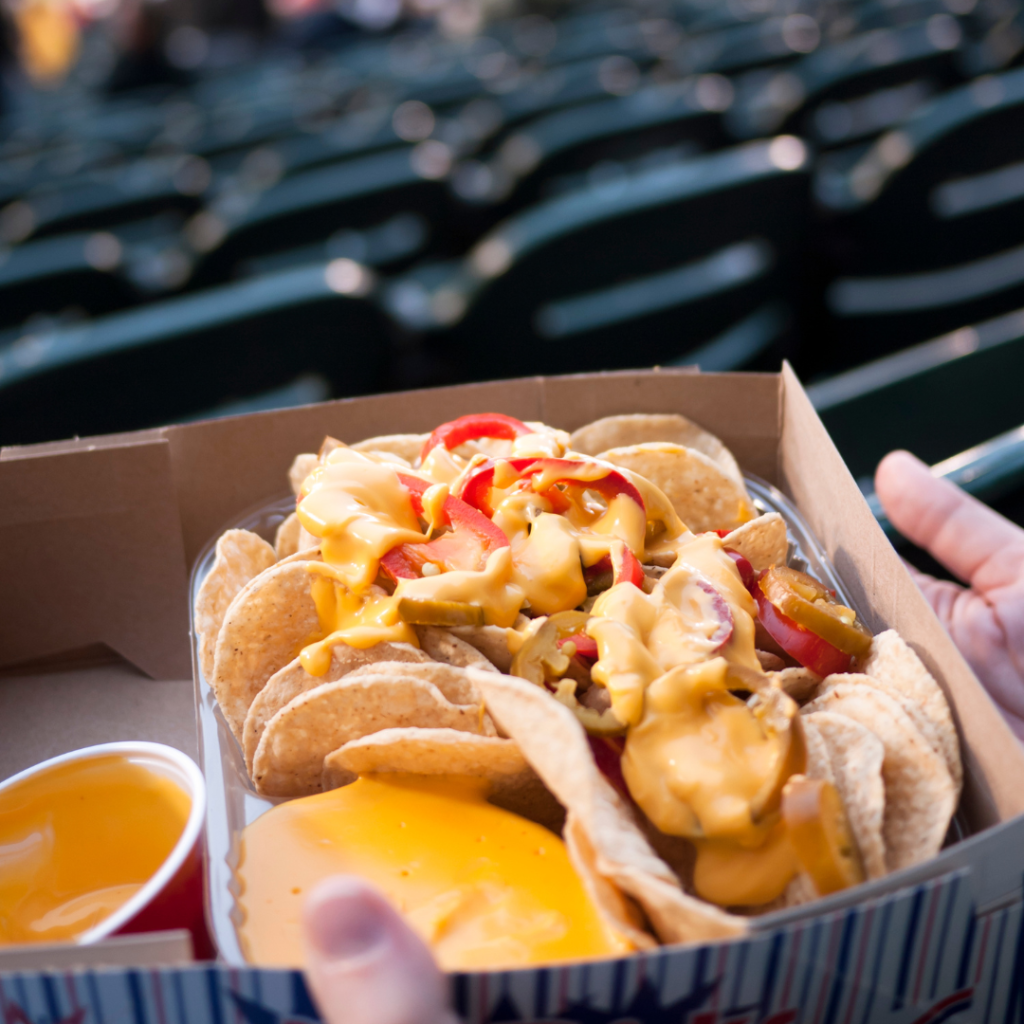
Over-relying on convenience foods or venue concessions represents another critical mistake. While these options may seem practical, they rarely provide optimal nutrition timing or composition for athletic performance. Most concession foods emphasize processed options high in fat and low in performance-supporting carbohydrates.
Ignoring individual tolerance and preferences creates unnecessary stress. Tournament day isn't the time to experiment with new foods or drastically change your typical eating patterns. Stick with familiar foods that you know sit well and provide reliable energy.
Creating Your Tournament Fuel Plan
Develop a personalized tournament nutrition protocol based on your specific sport, typical tournament schedules, and individual preferences. Start by mapping out timing requirements: when do you typically compete, how much time exists between games, and what are your pre-competition nutrition windows?
Identify your go-to foods for each scenario. Establish reliable options for pre-competition meals, between-game snacks, and post-competition recovery. Test these foods during training or smaller competitions to ensure they work well for your system.
Build flexibility into your plan while maintaining core principles. Tournament schedules change, food options vary, and unexpected situations arise. Having backup options and adaptable strategies ensures you can maintain proper fueling regardless of circumstances.
Tournament nutrition isn't about perfect execution—it's about consistent application of proven strategies that support sustained performance. The athletes who finish tournaments as strong as they started understand that proper fueling is as critical as physical preparation and mental readiness.
When implemented systematically, strategic tournament nutrition becomes a competitive advantage that separates good performances from exceptional ones. Your opponents may have similar talent levels, but proper fueling gives you the edge when competition intensity peaks and fatigue accumulates.
The difference between winning and losing in tournament competition often comes down to who can maintain their highest level of performance when others begin to fade. Strategic nutrition provides the foundation for that sustained excellence.
To build your personal plan, schedule a discovery call --> HERE

Ready to Take Your Nutrition
to the Next Level?
Stop guessing and start getting results. Book a free discovery call
to find the right coaching program for your goals.