

When temperatures soar, athletic performance often plummets. Whether you're training for competition or maintaining your fitness routine, extreme heat presents unique physiological challenges that require strategic management rather than simply "pushing through." Understanding how heat impacts your body—and implementing evidence-based strategies to combat these effects—can mean the difference between maintaining peak performance and experiencing dangerous heat-related complications.
Heat stress isn't just feeling uncomfortable. When exposed to high temperatures, your body initiates a complex cooling process that directly impacts performance capacity. As external temperatures rise, your core body temperature increases, triggering your cardiovascular system to work overtime. Blood flow redirects to the skin's surface to facilitate cooling, while your heart pumps faster to circulate this heated blood through your cooling system. This increased heart rate occurs before you even begin exercising, meaning you reach fatigue thresholds much more quickly during physical activity.
Your body's primary cooling mechanism relies on sweat evaporation, but humid conditions significantly impair this process. When moisture already saturates the air, your sweat cannot evaporate effectively, eliminating the cooling benefit while still causing fluid and electrolyte loss. Simultaneously, excessive sweating decreases overall blood volume, forcing your cardiovascular system to work even harder with less available fluid. This creates a snowball effect where performance deteriorates as your body struggles to maintain both cooling and performance demands.
Strategic Hydration: Beyond "Drink More Water"
Effective heat management starts with precision hydration—not just consuming more fluids, but implementing a strategic approach that supports both performance and safety.
Begin hydrating 1-2 hours before heat exposure with 16-20 ounces of fluid. This timeline allows proper absorption while preventing the discomfort of exercising with a full stomach. For particularly intense or prolonged sessions, aim for the higher end of this range. During activity, the general benchmark for fluid replacement for sweat loss is roughly one liter per hour, though individual sweat rates vary significantly based on body size, fitness level, and heat acclimatization status. More practically, aim for ~8 ounces of fluid per 15 minutes as your minimum baseline, with heavy sweaters or those wearing additional equipment requiring substantially more.
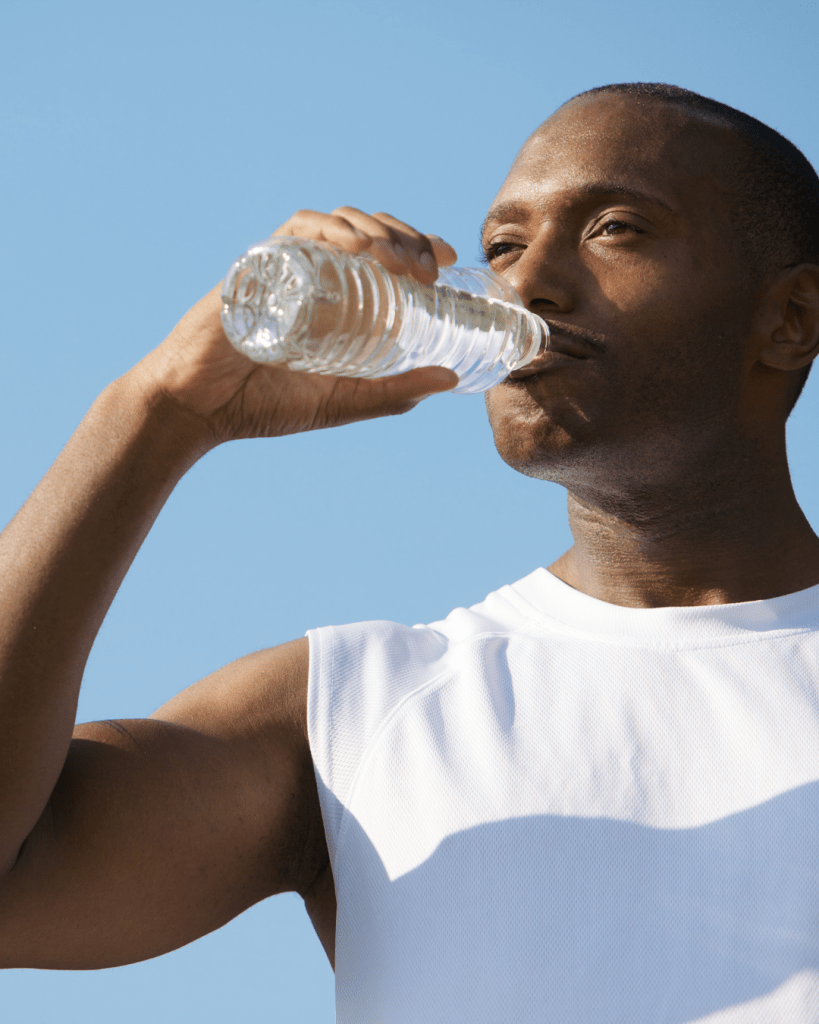
Plain water alone can actually impair performance and potentially cause dangerous complications when consumed in large quantities. Sodium, potassium, and magnesium support proper fluid absorption and replace minerals lost through sweat.
Quality electrolyte products containing evidence-based formulations help ensure your hydration efforts actually benefit performance rather than creating additional stress on your system.
Heat Adaptation and Air Conditioning Balance
Constant exposure to air conditioning can significantly impair your body's ability to adapt to heat stress. While cooling environments provide necessary relief, over-reliance prevents the physiological adaptations that improve heat tolerance. Rather than immediately seeking the coldest possible environment after heat exposure, implement graduated cooling strategies that support recovery while maintaining adaptation benefits. Use lukewarm rather than ice-cold showers initially, apply cooling strategies to key areas where blood flows closest to the skin surface like the neck, wrists, and underarms, and maintain moderate indoor temperatures rather than extreme cooling.
When performance is the primary goal, schedule training during cooler periods—early morning or evening hours. Reserve intentional heat exposure for specific adaptation sessions when you can focus on acclimatization rather than peak performance outcomes.
Consider brief heat exposure through saunas or hot tubs to continue adaptation signaling, though always ensure adequate hydration before additional heat exposure. These types of strategies can complement training sessions by being completed afterwards and away from periods of desired peak performance (ie. games and matches). This will allow continued heat exposure but in a more controlled manner. To reiterate though, don’t forget to continue drinking plenty of fluid to avoid becoming overly dehydrated during these strategies.
Nutrition Strategies for Hot Weather Performance
Heat significantly impacts appetite and digestion, requiring strategic adjustments to maintain energy levels and support recovery.
Lighter, Hydrating Meals
Focus on foods that provide nutrients without feeling heavy or requiring extensive digestion. Smoothies, yogurt bowls, and fruit-based meals offer high nutritional density while supporting hydration goals.
During heat adaptation phases, your body shifts toward greater carbohydrate utilization due to increased physiological stress. Incorporate easily digestible carbohydrate sources to support this increased demand.
Enhanced Sodium Intake
Increase dietary sodium to replace losses from increased sweating—this doesn't require excessive salt additions to every meal, but rather strategic increases through natural food sources and proper electrolyte supplementation. Heat stress redirects blood flow away from digestive organs, potentially compromising gut function, so include probiotic-rich foods like yogurt and kombucha to support digestive health during periods of heat stress.
Recognizing Heat Stress Warning Signs
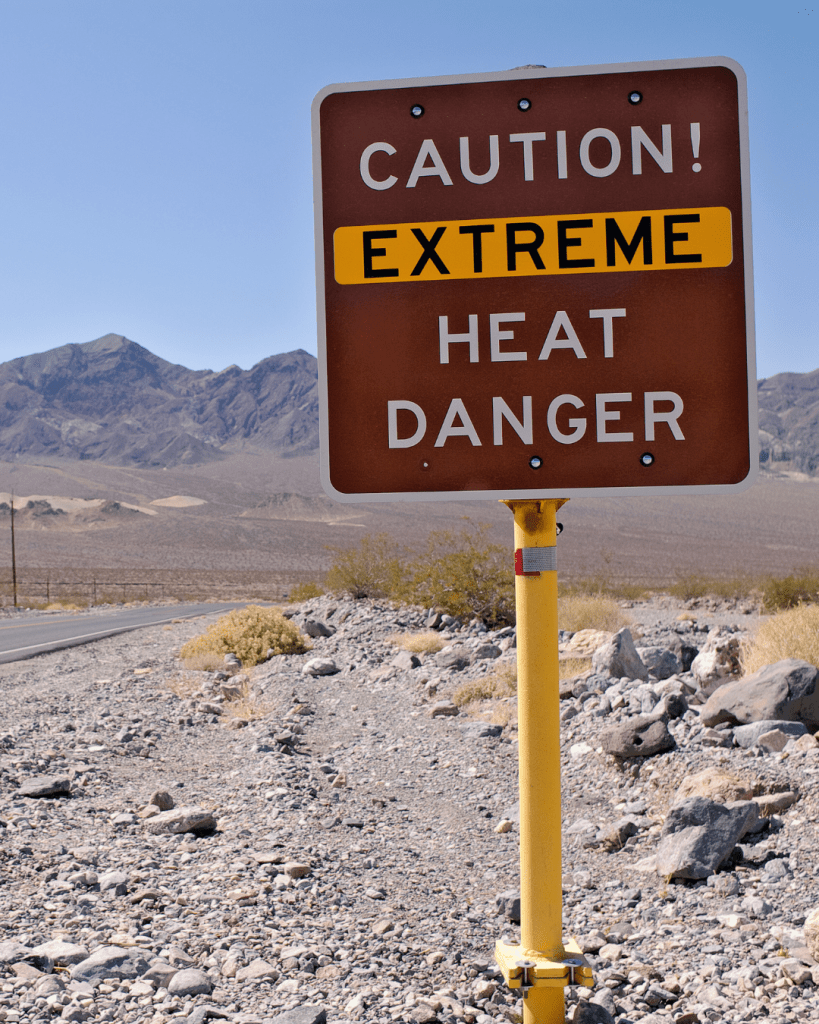
Understanding the progression of heat-related symptoms can prevent dangerous complications and guide intervention timing. Early warning signs include increased thirst (indicating you're already behind on hydration), flushed skin, muscle cramps, and mild dizziness. Moderate symptoms requiring immediate action include headaches, nausea, physical weakness beyond normal training fatigue, and confusion or difficulty concentrating. Emergency situations involve rapid heart rate beyond what exercise would normally produce, fainting, cessation of sweating combined with continued heat exposure, or feeling cold despite hot environmental conditions. Never ignore these warning signs in yourself or others, as immediate cooling and medical attention may be necessary.
Recovery and Sleep Optimization
Heat stress extends beyond your training session, impacting recovery and sleep quality if not properly managed. The 30-minute period following heat exposure is critical for beginning the recovery process. Prioritize immediate fluid replacement with electrolytes and easily digestible nutrition to support the body's repair mechanisms. Starting recovery nutrition immediately helps distribute caloric needs throughout the day, combating the appetite suppression that often accompanies heat stress from compromising overall nutrition.
Elevated core temperature can significantly impair sleep quality, disrupting the recovery process when you need it most. Maintain a cool sleeping environment and consider cooling strategies before bed to help normalize core temperature. Quality sleep becomes even more critical during periods of heat stress, as your body requires additional recovery time to adapt and repair.
The Rise Nutrition Approach to Heat Management
At Rise Nutrition, we recognize that managing performance in extreme conditions requires more than generic advice. Our methodology combines precision nutrition strategies with individualized adaptation protocols that work within real-life constraints.
Rather than providing one-size-fits-all hydration recommendations, we help clients develop personalized systems that account for their specific sweat rates, training demands, and environmental conditions. This approach creates sustainable strategies that support both immediate performance and long-term adaptation.Our coaching process includes detailed assessment of how heat affects each individual's performance, appetite, and recovery patterns. We then build customized nutrition frameworks that maintain energy levels and support optimal function regardless of environmental conditions.
Building Your Heat Management System
Successful heat management isn't about perfect execution of complex protocols—it's about creating systematic strategies that work consistently under real-world conditions.
Start with hydration fundamentals: establish pre-training protocols, maintain consistent fluid intake during activity, and prioritize electrolyte replacement. Build these habits during moderate conditions so they become automatic when heat stress increases.
Develop cooling strategies that balance immediate comfort with adaptation benefits. Identify which techniques work best for your situation and practice implementing them before you're dealing with extreme conditions.

Most importantly, listen to your body's signals and respond appropriately. The most sophisticated strategy means nothing if you ignore the warning signs that indicate when intervention is necessary.
Performance in Any Condition
Managing performance in hot weather requires strategic thinking rather than just toughing it out. The physiological challenges are real, but they're also predictable and manageable with the right approach.
By implementing evidence-based hydration strategies, balancing cooling with adaptation, and supporting your body's increased nutritional demands, you can maintain performance levels even when temperatures soar.
The key is developing these systems before you need them most. Heat waves and extreme conditions aren't the time to experiment with new strategies—they're when your preparation and systematic approach prove their value.
Learn more about navigating fluid balance: click here

Ready to Take Your Nutrition
to the Next Level?
Stop guessing and start getting results. Book a free discovery call
to find the right coaching program for your goals.