

In the fast-paced world of professional soccer, athletes face numerous challenges that can impact their sleep, recovery, and ultimately, their performance on the field. One emerging area of research focuses on the role of melatonin, a hormone known for its influence on circadian rhythm and sleep-wake cycles. As a popular dietary supplement, melatonin has garnered attention for its potential impact on exercise recovery but a lot of questions remain on the direct impact on athletic performance. This blog post aims to distill the findings of a recent systematic review on melatonin supplementation pre-training in professional soccer players, shedding light on its effects, limitations, and areas for future research.
Understanding Melatonin
Melatonin, derived from serotonin and synthesized in the pineal gland, is a pivotal player in regulating circadian rhythm. It synchronizes the sleep-wake cycle and exhibits relative safety, making it a popular choice for individuals struggling with sleep disorders. Melatonin's impact extends beyond sleep, influencing metabolism, energy balance, and even physical performance.

The Studies and Performance Outcomes of Melatonin
A review of studies primarily conducted in Tunisia, Spain, and Poland provides insights into the effects of supplementation on professional soccer players. The interventions involved administering exogenous melatonin, typically 5-8 mg, between 30 minutes and 1 hour before physical tests. The results, however, varied among the studies.
Studies by Ghattasi et al. indicated a reduction in performance after melatonin ingestion, while Farjallah et al. reported mixed results, with no performance differences but observed anti-inflammatory and protective effects. Notably, five studies demonstrated a decrease in oxidative stress and anti-inflammatory effects after supplementation. The evidence suggests that melatonin may not directly enhance performance but could play a crucial role in recovery.
Shortcomings and Future Research
While the reviewed studies offer valuable insights, certain limitations need addressing. The lack of consideration for endogenous melatonin levels in athletes and the absence of dietary melatonin monitoring pose challenges in validating supplementation. The intervention periods were generally short, emphasizing the need for more extended studies to understand melatonin's long-term effects.
Dosing and Administration
Melatonin's rapid absorption and peak levels achieved around 40 minutes support the chosen administration schedules of 30-60 minutes pre-training. However, the reviewed studies used varying doses, prompting the need for further research to establish optimal effective minimum doses. A Cochrane review suggested that daily doses between 0.5 and 5 mg were equally effective, raising questions about the necessity of higher doses.
Melatonin and Exercise
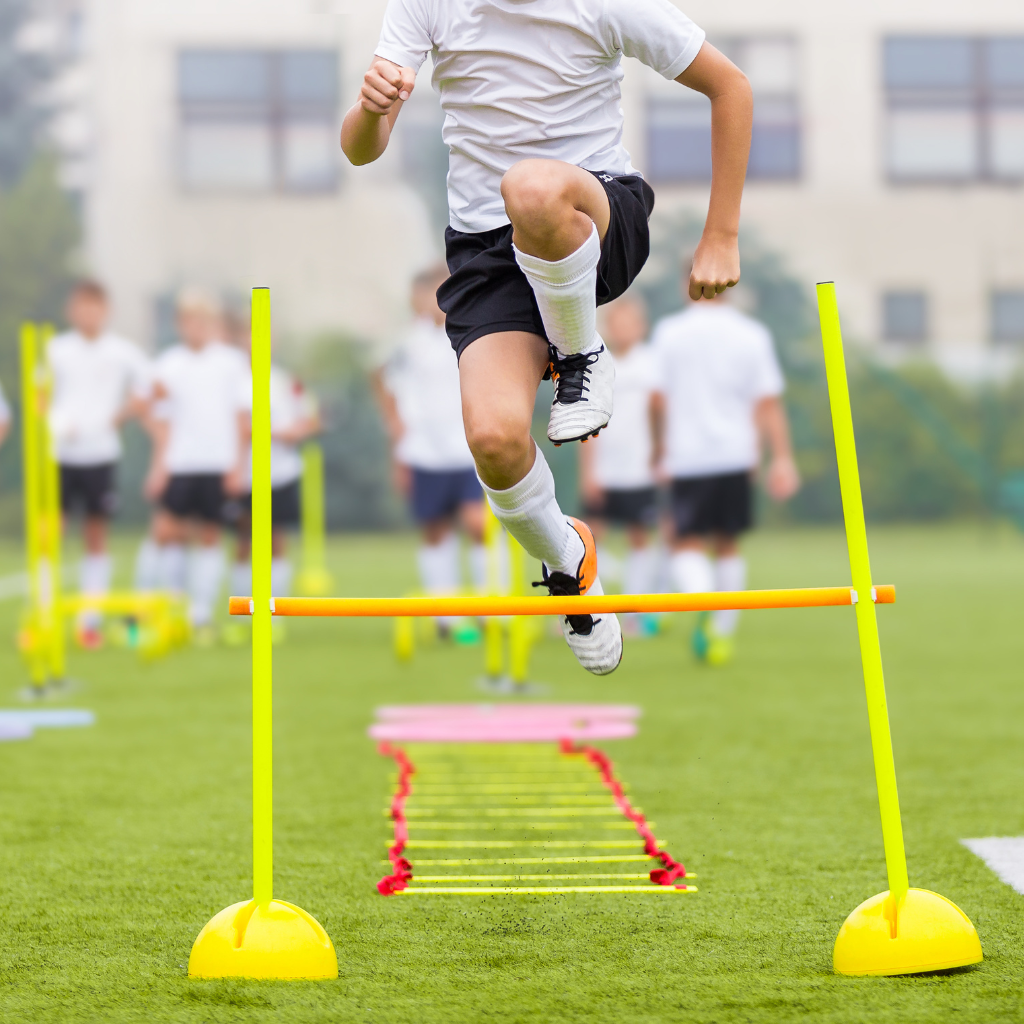
The results of the literature review suggest that melatonin may attenuate the decline in physical performance following intensive training rather than directly enhancing performance. Its antioxidant and anti-inflammatory effects could indirectly contribute to improved recovery. However, the evidence supporting this as an ergogenic aid remains weak, necessitating more research before conclusive recommendations can be made.
Future Directions
As the majority of studies were published within the last decade, the field of melatonin and sports performance is relatively new and rapidly evolving. Future research should explore melatonin ingestion through food, assess nutritional intake in athletes, and consider the potential benefits in combating jet lag during international travel.
Conclusion
In conclusion, while melatonin supplementation shows promise in attenuating the adverse effects of physical exercise in professional soccer players, its direct impact on performance is inconclusive. The current evidence suggests that melatonin may play a role in recovery, particularly in reducing oxidative stress and inflammation. As the scientific community delves deeper into this field, future studies should address existing limitations, explore optimal dosages, and consider the broader implications of melatonin intake through diet. Until then, athletes and practitioners should approach supplementation cautiously, recognizing its potential benefits in certain contexts but acknowledging the need for further research to establish clear protocols.
Study referenced: click here

Ready to Take Your Nutrition
to the Next Level?
Stop guessing and start getting results. Book a free discovery call
to find the right coaching program for your goals.